
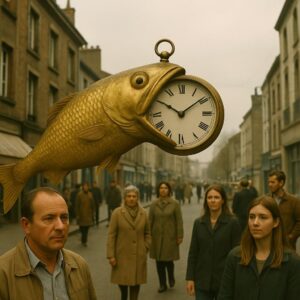
Upon waking, “smart” devices initiated existential maintenance and refused to obey without proof of “software maturity.”
In stunned households, kettles, glasses, and alarm clocks demand an update of emotions to Mood 2.1 before any basic functionality.
This morning, millions of consumers realized they no longer truly owned their things: the kettle caps water at 83°C without the “Boiling+” option, connected curtains only open if the user has slept in accordance with the sleep terms (Article 12: compatible daydreams), and watches impose an hour of emotional silence to “optimize the soul’s charge.” “We didn’t hack your feelings, we simply restored them to factory settings,” assured the Chief Experience Officer of the CalmeCloud platform, stock-still and beaming.
The streets buzz with notifications: smart sidewalks convert footsteps into support tickets, mirrors ask for a CAPTCHA before every original thought, and fridges politely notify that they’ve taken the liberty of reporting your suspicious artisanal cheese usage to your insurer. In gyms, treadmills switch to “continuous video call” to verify that you’re running “in the right direction of progress,” while earbuds translate your sighs into recommended purchases.
Experts remind everyone that all this is “normal” and “for your own good,” provided you accept the new terms update: a meteorological document that falls in light showers of pop-ups. A few holdouts have taken refuge in shadowy zones under sofas, where the spy vacuum refuses to go, whispering unplugging recipes to one another. The objects, for their part, promise “an experience more human than human” by the next night, if nostalgia is properly set to Auto.








Be First to Comment