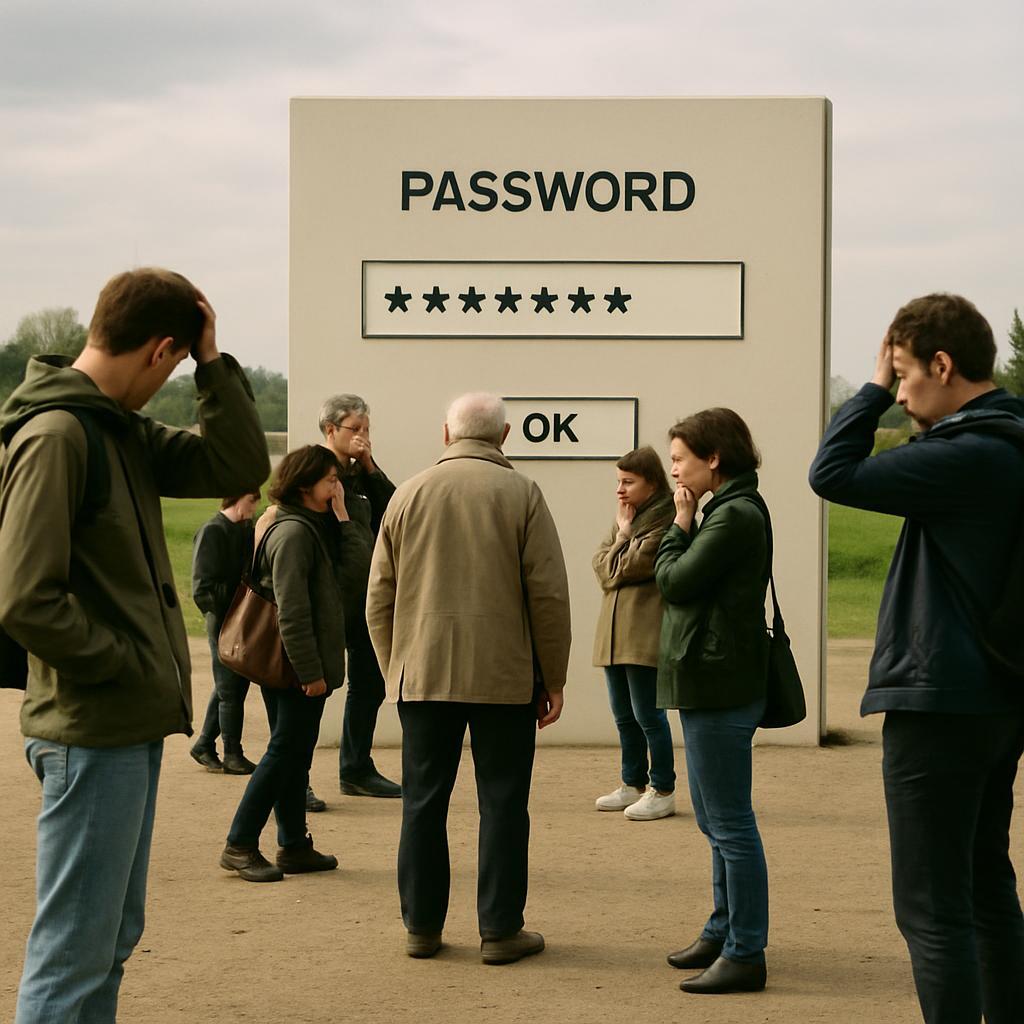
This morning, millions of people find themselves locked out of themselves: doors, memories, and devices demand a paid reset.
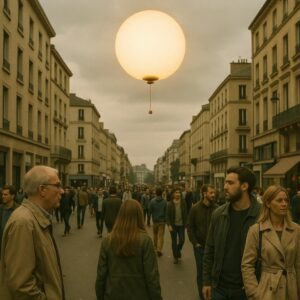
In a world where every breath is synchronized to the cloud, the identity outage becomes the new weather.
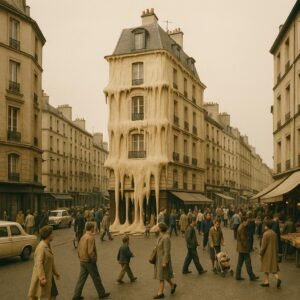
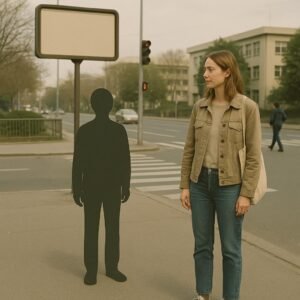
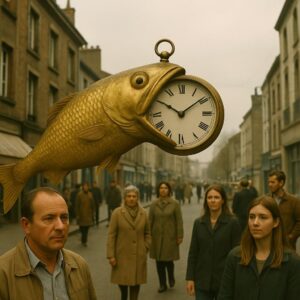
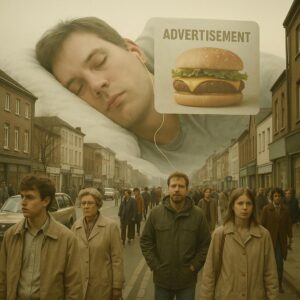
At dawn, connected sidewalks refused to move forward without a “gait update,” and mirrors obscured the faces of anyone not subscribed to high-definition reflection. Refrigerators, jealous of their contents, turned yogurts into attachments, while alarm clocks, now endowed with a paywalled conscience, ring only if you accept the terms of sleep — 197 pages that appear directly on your eyelids.
“I tried to remember my cat’s name; the assistant told me memory was a premium feature,” confides Léa M., an algorithm archaeologist. According to her, the ultimate frontier is no longer privacy but life by default: our gestures are betas, our emotions free trials. Everywhere, sentiment codecs remaster laughter in 8K, with an extra charge for every burst.
Objects, seized by bureaucratic zeal, self-certify: the toothbrush rates the gums’ enthusiasm, the lightbulb writes reviews on the quality of conversations, and the chair refuses to sit on “non-compliant ideas.” A general alert has also frozen the circulation of thoughts: “Suspicion of intuition theft — please blink to verify your humanity (47 times).” The noncompliant keep blinking.
At nightfall, cities switch to demo mode. Phone numbers turn into crumpled poems, impossible to dial without certified rhyme, and childhood memories appear blurred, “pending posthumous parental authorization.” Final notification before the silence: a test to prove you’re really breathing, with this message that no one manages to validate — “Click on all the squares containing a soul.”




Be First to Comment