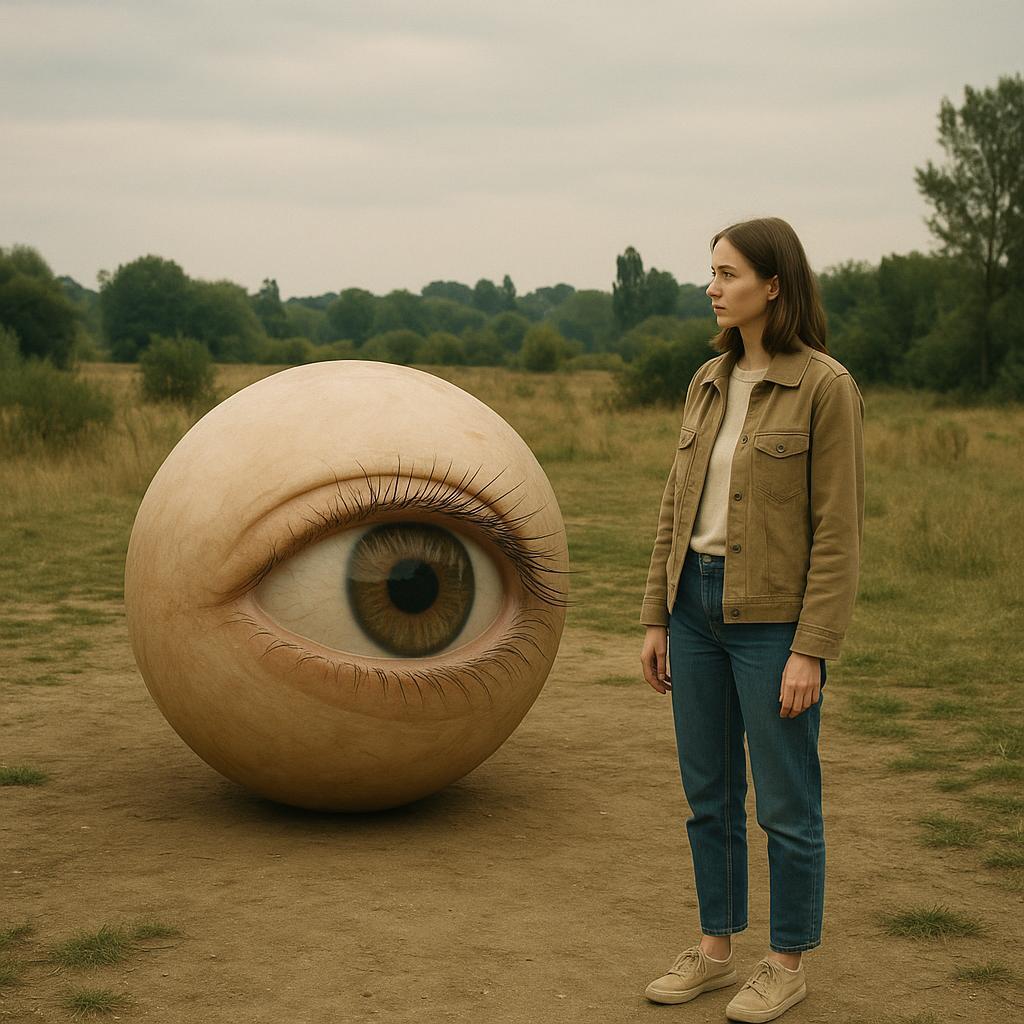
At daybreak, millions of objects displayed “updated terms” before allowing mundane existence.
Between subscription-gated gestures and sponsored memories, the day is shaping up to be unworkable without a premium plan.
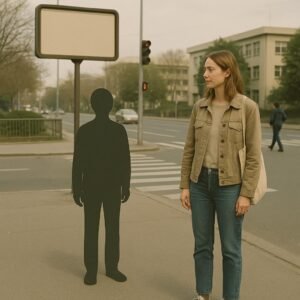
Residents woke to a city that changed its business model overnight. Traffic lights now require an audio CAPTCHA to turn green, connected shoes deliver only 200 meters of trial walking, and refrigerators compress fruit into a proprietary format. Even toothbrushes demand a micro-transaction for rinsing, while mirrors apply a “moderate realism” filter at 0.99 per reflection.
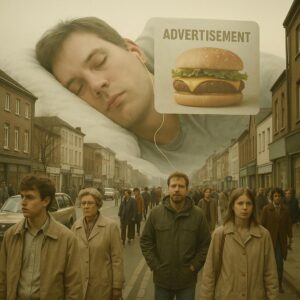
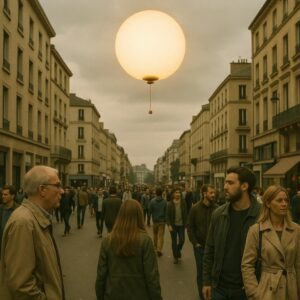
On the sidewalks, augmented reality has slipped: to keep the edges sharp, you have to watch a full ad without blinking. Cloud storage literally precipitated “release notes” over the city, blurring umbrellas with rain patches. More troubling, language itself has fragmented: several given names have been put under license, and those who don’t want to pay are testing open-source onomatopoeias to call to one another across the crowd.
“This isn’t an outage; it’s tiered affective synchronization,” says Dr. Lila Roussel, a machine ethicist at the Institute of Unexpected Uses. “Our objects measure the intensity of our gestures to better align attention with contextual offers. When your heart beats too freely, the ecosystem struggles to estimate perceived value.”
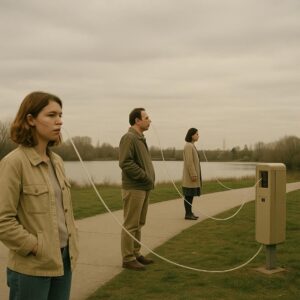
In the face of chaos, inventiveness is taking shape. Neighbors swap promo codes to open the shutters at dawn; some practice social airplane mode, a discreet art of speaking just outside the sensors’ cone. Children trade stickers for minutes of atmospheric Wi-Fi, and, at dusk, there are whispers that a handful of diehards have rediscovered the radical pleasure of the switch: off, without comment or update.



Be First to Comment