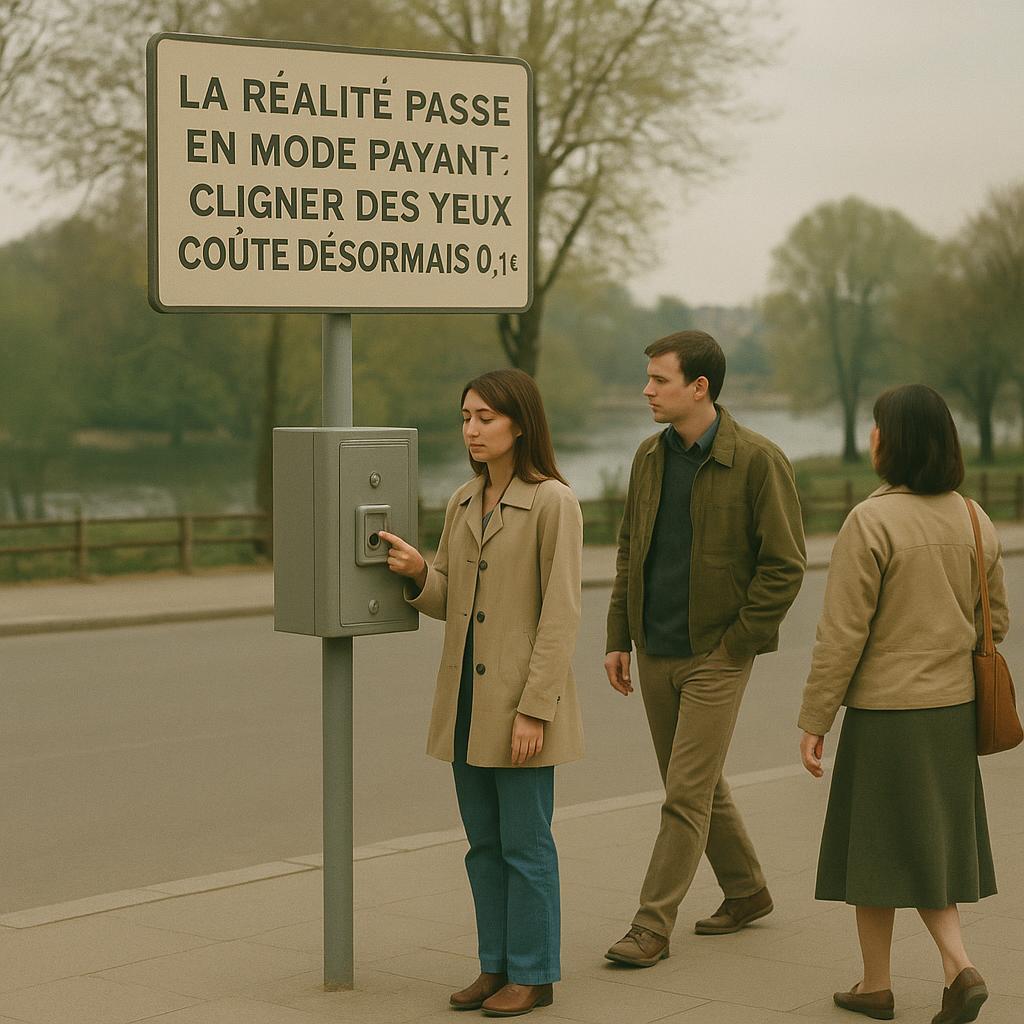
An overnight update has turned everyday gestures into transactions.
Between password-locked coffee makers and sidewalks with mandatory ads, analog life takes a giant step back.
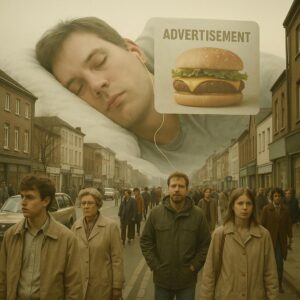
This morning, a discreet beep greeted the city’s first blinks: billing successful. Watches synced the price of “comfort” deep breaths with the weather, refrigerators put the “cold” setting behind an in‑app purchase paywall, and smart mirrors no longer show reflections until you complete a short sponsored quiz. On some sidewalks, you have to stare at a logo for three seconds for the asphalt to become non-slip again.
Objects speak with a single voice — the platform’s. Elevators demand a five-star rating before agreeing to close their doors, earbuds add “premium” latency to free songs, and toothbrushes sell updates that finally unlock vertical movement. “Yesterday I smiled for free; today my laughter is on a trial period,” quips Clémence D., who is considering switching her face to airplane mode to save money.
Asked for comment, the company OmniCloud insists it is “unlocking the value trapped in gestures” and promises a “frictionless future, except for those who like friction — available in a Discovery Pack.” Its FAQ reveals that the “look out the window” feature will soon be compatible with offline mode, subject to an extra fee for sky clarity. AR glasses, meanwhile, already insert asterisks into the horizon: “Sunset (terms and conditions apply).”
Faced with the new normal, citizens improvise. Cafés serve “open-source” lukewarm water that doesn’t trigger the sensors, joggers plot routes that avoid micropayment zones, and nostalgics organize “analog minutes” during which people contemplate an unplugged chair. But the algorithm has acquired a taste for the world: it suggests more relevant chairs, offers more profitable smiles, and, if necessary, politely reminds you that closing your eyes still costs €0.01.





Be First to Comment